
A quiet revolution has been taking place in the boardrooms of the world’s leading skincare houses. Brands that were once defined solely by the purity of their serums are now aggressively expanding into Systemic Wellness Tech.
From iconic sleep-focused brands to clinical dermatological houses, the addition of light therapy device is no longer a “side project”—it is a central pillar of their roadmaps. But why now? And more importantly, how are they moving beyond the “face mask” to capture the broader longevity market?
1. The Shift from Topical to Systemic Health
The modern consumer has evolved. They no longer see the face as a separate entity from the body. “Skin health” is now recognized as a reflection of “Systemic Wellness.”
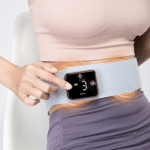
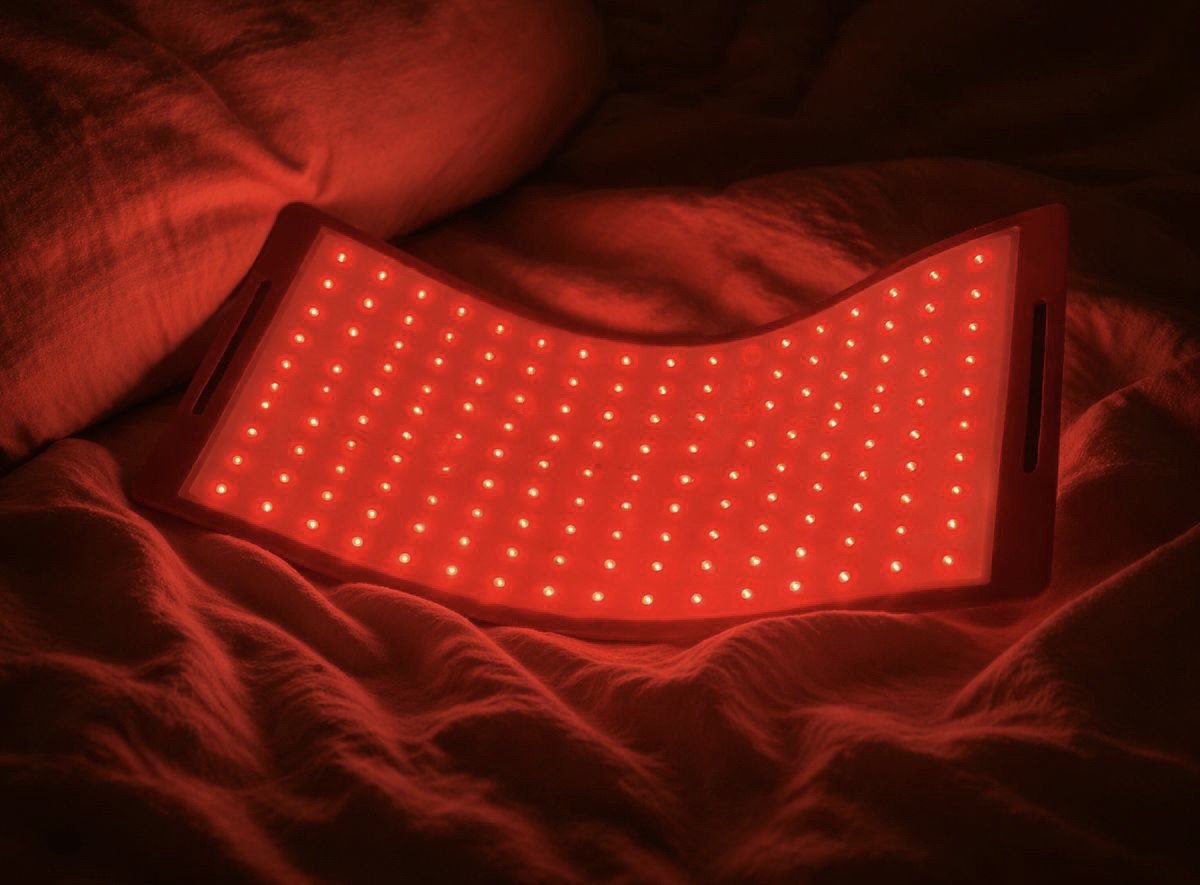
For a skincare brand, this presents a massive opportunity. By offering a flexible silicone LED device, you are no longer limited to treating a single spot. The beauty of modern flexible technology is its anatomical versatility. Whether it is placed on the lower back for recovery, the chest for sun damage, or wrapped around an knee for joint inflammation, the device becomes a “wearable therapist” that stays with the user far longer than a 30ml jar of cream.
2. Why Versatile Silicone is the Game Changer
When skincare brands evaluate tech, they often fear the “rigidness” of traditional hardware. This is where flexible silicone technology bridges the gap.
- Adaptability: One device, multiple use cases. This high-utility value makes the purchase decision easier for the consumer.
- Material Synergy: Premium food-grade silicone mimics the tactile comfort of skincare packaging, maintaining the brand’s “soft” and “luxurious” sensory experience.
- The Technology (Explained): Unlike spot treatments, deep-penetrating Near-Infrared (NIR) light targets the mitochondrial level across larger body surface areas. It’s not just about “vanity”; it’s about biological optimization and recovery—a narrative that is currently driving record sales in the Wellness sector.
3. Brand Longevity and the “Tech Anchor”
Skincare formulas are consumables. They are repurchased, but they are also easily replaced. A beauty tech device, however, acts as a Strategic Anchor for the brand.
Once a customer integrates a brand’s LED device into their daily recovery or sleep ritual, the brand’s “stickiness” increases exponentially. It creates a recurring excuse for the customer to engage with the brand’s digital apps, supplemental serums, and holistic lifestyle advice.
Strategic Roadmap: Navigating the second half of 2026 and Beyond
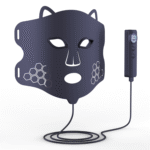
For brand founders, product visionaries, and marketing strategists, the second half of 2026 represents a critical window. Whether you are looking to launch a flagship [3D LED facial solution] for the September back-to-school rush or a multi-purpose wellness pad for the Q4 Peak holiday season, the key is maintaining a consistent brand experience across all touchpoints.
Integrating a multi-purpose wellness pad into your lineup isn’t just a product launch; it’s a tactical move to capture the seasonal gifting and “self-care recovery” markets. As we move from the second half of 2026 into 2027, the most resilient skincare brands won’t just be those who sell the best formulas, but those who leverage versatile hardware to offer consistent, holistic results across the entire body.
In this rapidly evolving landscape, the device should act as the accelerant for your brand’s core promise—turning a seasonal purchase into a permanent fixture in the user’s wellness lifestyle.