

Introduction
2025 has been a pivotal year for the at-home beauty device industry. While the global conversation was often dominated by digital buzzwords like AI, our perspective from the manufacturing floor revealed a much more grounded reality. This review examines the three most significant shifts in hardware and user experience that defined the winning products of this year.
I. The Ergonomic Revolution: From ‘Bulky & Ill-Fitting’ to ‘Lightweight & Custom-Fit’
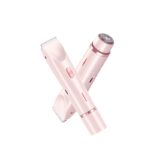
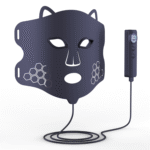
In early 2025, the market was still dominated by bulky and often ill-fitting designs. However, as the year progressed, we saw a massive migration toward flexible, ergonomic silicone and highly-engineered hardshell solutions.
- Strategic Insight: Brands that invested in superior ergonomics saw higher perceived value and fewer returns. Comfort is no longer a luxury—it’s a prerequisite for market entry in 2026.
II. The Unboxing Strategy: Moving Beyond the Device
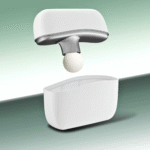
One of the most underrated trends of 2025 was the professionalization of packaging. We helped several partners redesign their “first touch” experience.
- Business Value: A premium unboxing experience (as seen in our recent case studies) directly supports a 20-30% price premium. In a competitive Q4, the presentation became as important as the PCB itself.
III. The Expansion to Full-Body Wellness
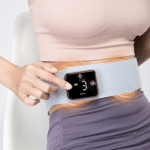
While the face remains the primary focus, 2025 saw the rise of infrared hardware designed for body recovery and pain relief. This indicates a shift in the buyer persona from “pure aesthetics” to “holistic wellness.”
Conclusion: Preparing for 2026
As we head into the holidays, the takeaway for 2026 is clear: The foundation of a successful brand is physical excellence. Marketing can get a customer to buy once, but hardware quality ensures they come back.
Wishing you a restful break. Let’s build the next generation of hardware together in 2026.